Transform Your Home: Innovative Ideas for Remarkable Home Additions
Revitalizing a home through carefully click here planned additions can meaningfully elevate both its practical value and visual charm. From sunrooms that invite natural light to expansive decks perfect for entertaining, the possibilities are diverse. Growing important rooms, including kitchens, strengthens family bonds, while a garage can solve storage dilemmas. Appreciating core design factors and careful planning is crucial. Yet, what really drives homeowners to adopt these transformations? The answer lies in the transformative power of well-executed home additions.
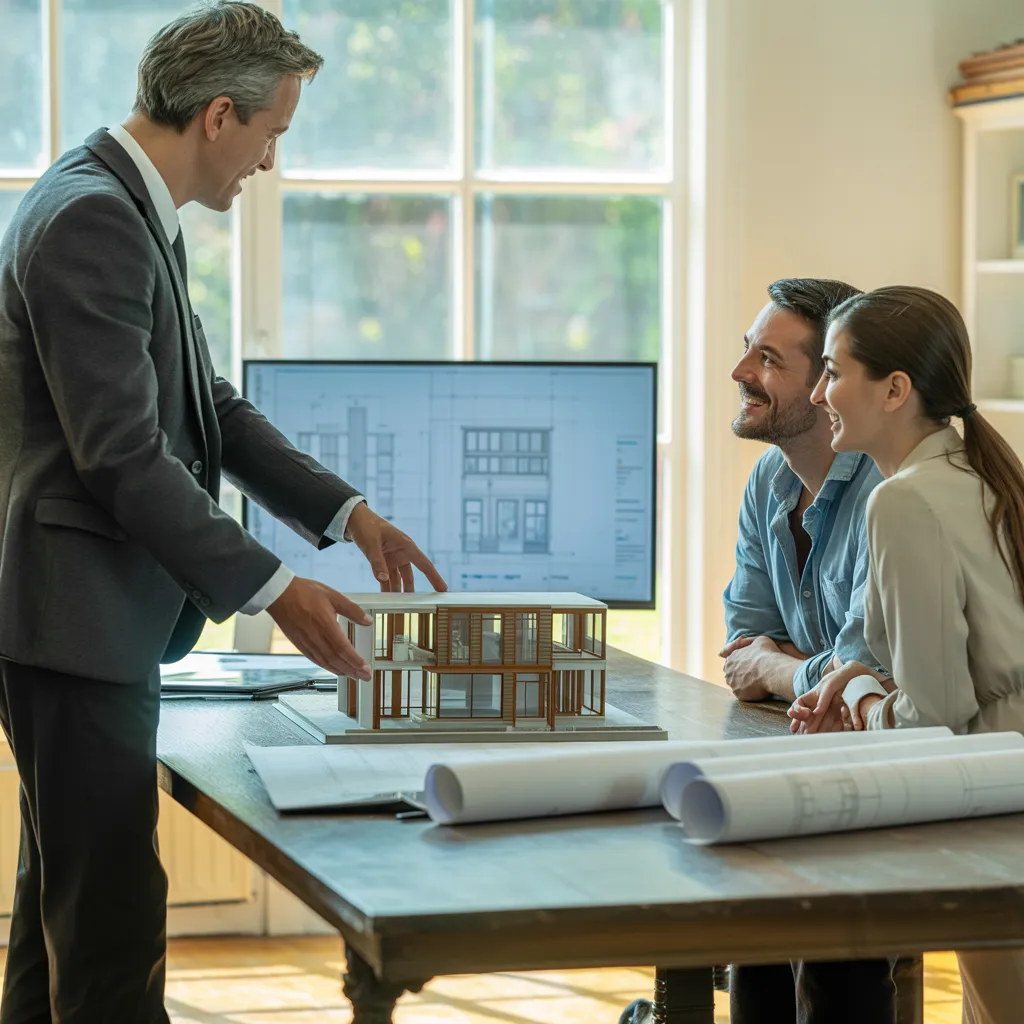
Browse Popular Home Addition Concepts to Reinvent Your Space
Many homeowners actively pursue unique approaches to upgrade their homes, and examining well-known home expansion options can deliver meaningful changes. One highly popular choice is incorporating a sunroom, which allows sunlight to flow inside while forming a tranquil area for rest. Another appealing choice is a deck or patio, stretching the home's footprint outside and well-suited for social occasions.
Homeowners may also consider expanding their kitchens, rendering them more practical and welcoming. Adding a garage not only provides additional storage space but can additionally function as a workshop or hobby space.
For homeowners requiring extra sleeping spaces, a bedroom addition can offer essential privacy and comfort. Furthermore, repurposing attics or basements into usable spaces creates an opportunity for imaginative design while optimizing the available square footage. All of these concepts carry the potential to improve both practicality and visual appeal, ultimately turning a home into a more pleasant living space.
Why Home Additions Can Boost Your Lifestyle?
Home additions can significantly improve living space, providing families with room to grow and adapt. Moreover, enlarging a home can contribute to higher property value, making it a sound investment. In addition, these expansions frequently strengthen family bonds by developing common areas for shared activities and gatherings.
Elevate Living Space
Extending a home through home additions can markedly improve one's lifestyle by offering greater convenience and ease. For households, extra rooms can support expanding needs, such as a children's playroom or a home office for remote work. A carefully planned addition can develop a smooth connection between indoor and outdoor spaces, encouraging leisure and connection. Furthermore, including elements like open floor plans or large windows encourages a sense of openness and connection with nature. Enhanced living spaces also support individualized design selections, showcasing individual tastes and preferences. Overall, home additions not only optimize existing areas but also develop spaces that enhance well-being and elevate everyday living.
Raise Property Value
Putting money into home additions can greatly elevate a property's overall value, making it a smart investment choice. By increasing living space or adding functional spaces, homeowners can attract potential buyers and increase resale prices. Additions like new bedrooms, contemporary kitchens, or multipurpose living areas regularly produce substantial returns. Additionally, additions including sunrooms or patios not only improve aesthetics but also appeal to lifestyle desires, further boosting desirability. A well-planned addition can convert a property into a higher-value investment, reflecting the current market trends and buyer preferences. In summary, well-considered property expansions serve as a smart approach to maximizing property value while elevating the quality of life for present homeowners.
Foster Family Connections
A carefully crafted addition can substantially enhance family relationships by establishing spaces that foster interaction and unity. Expansive layouts, such as family rooms or large kitchens, serve as hubs for communal activities, nurturing communication and connection. Designated areas for hobbies or playrooms give children a place to interact, while adults can enjoy nearby social spaces. Additionally, integrating outdoor living spaces, like patios or decks, permits families to congregate in a welcoming environment. These additions not only encourage everyday interactions but also provide a backdrop for lasting gatherings and celebrations. At their core, well-planned home additions convert living environments into supportive spaces that strengthen family ties, enhancing overall quality of life.
Important Design Elements to Elevate Your Home Addition
When homeowners consider a home addition, incorporating key design components can greatly enhance both aesthetics and functionality. Essential features encompass natural light, which can be achieved through large windows or skylights, producing a warm and welcoming environment. Moreover, an open floor plan fosters effortless movement between original and expanded sections, fostering a sense of continuity.
Using matching materials and hues guarantees the extension integrates naturally with the original design, maintaining structural cohesion. Deliberate placement of furniture and fixtures maximizes usability, rendering the space functional for daily use. Connections to outdoor spaces, including a patio or deck, may expand living spaces and promote outdoor activities. Finally, sustainable design approaches, including proper insulation and sustainable materials, contribute to long-term savings and environmental responsibility. By emphasizing these critical design factors, homeowners are able to develop a unified and attractive extension that elevates their lifestyle.
Successfully Plan Your Home Addition Project
Effective planning is vital for a successful home addition project. Homeowners ought to start by identifying their priorities, whether it's creating more living space, improving usability, or raising the home's value. Establishing a clear vision assists in directing the planning and building process. Additionally, researching local zoning laws and building codes is necessary to secure conformity and sidestep potential obstacles.
Building a roadmap that defines every stage of the project supports preserving focus and commitment. Homebuilders should also consider working with experts, for example architects or construction professionals, to gain expert recommendations and keep the project on track.
Additionally, emphasizing collaborative communication among all parties encourages teamwork and resolves challenges in a timely manner. As a final consideration, planning ahead for upcoming demands can aid in designing an addition that remains functional over time. By applying these principles, homeowners can approach their home addition endeavors with increased certainty and focus.
Budgeting for Your Home Addition: Essential Tips
Creating a budget for a home addition necessitates meticulous planning and consideration to prevent unforeseen costs. Homeowners ought to start by establishing a practical budget that encompasses all components of the project, including permits, materials, labor, and unforeseen expenses. It is wise to reserve an additional 10-20% of the total budget for unexpected circumstances.
Researching and comparing costs from various contractors can provide valuable insights and help in making informed decisions. Additionally, homeowners should prioritize their needs versus wants, guaranteeing that key components are incorporated while staying within their budget.
Developing a detailed timeline can help with synchronizing expenditures with project phases, minimizing monetary pressure. Ultimately, consulting with a financial expert or a contractor can provide further clarity on potential costs and financing options, ensuring that the finances stay controlled throughout the home addition process. This thoughtful strategy facilitates a effective and economically viable home expansion.
Inspiring Real-Life Home Addition Transformations
Remarkable home addition transformations reveal the remarkable promise of home interiors. A perfect illustration is a modest compact home that went through a significant upgrade with a sleek, modern annex. By incorporating a expansive culinary and dining zone, the property owners improved their culinary lifestyle while crafting a cozy meeting place for family members and visitors.
One notable transformation showcases a compact dwelling that expanded vertically with a charming loft, making the most of the space by incorporating a cozy reading nook. This smart architectural choice not only enhanced practicality but also gave the residence a distinctive charm.
Ultimately, a single-story suburban home adopted a modern aesthetic with a glass-enclosed sunroom, flooding the interior with natural light and revealing spectacular sights of the backyard garden.
These real-world transformations showcase the wide range of possibilities for home improvements, motivating homeowners to consider their own personalized improvements and reimagine their home surroundings.
Frequently Asked Questions
What Permits Do I Need for a Home Addition Project?
For those planning a home addition project, homeowners generally require the appropriate building permit, zoning approval, and possibly permits for electrical or plumbing work. Municipal regulations differ, so consulting with municipal authorities is crucial to ensure all requirements are met.
How Much Time Does a Standard Home Addition Usually Take?
An average home addition usually takes anywhere from two to six months to finish, based on factors including size, complexity, permits, and weather conditions. Thorough planning and an efficient contractor can greatly affect the overall timeline.
Is It Possible to Stay in My Home During the Addition Process?
Indeed, homeowners can typically stay in their homes during the home addition process. However, considerations like the scope of the project, work area, and noise disruptions may affect daily comfort and access, prompting short-term adjustments or temporary accommodations during construction.
What Common Mistakes Should You Avoid When Planning an Addition
Common mistakes to avoid when planning an addition consist of underestimating costs, overlooking required permits, overlooking structural integrity, neglecting to evaluate future demands, and failing to seek expert guidance. Thorough planning ensures a more seamless process and superior outcomes.
How Can I Select the Best Contractor for My Project?
To identify the right specialist, you should investigate experience, check references, and guarantee open communication. Reviewing various quotes and examining previous work can help determine reliability and compatibility for the individual residential expansion project.